
Kedarkantha Trek: Complete Guide to the Best Winter Trek in Uttarakhand
Kedarkantha Trek : Complete Guide to the Best Winter Trek in Uttarakhand
Message us to get your itinerary on WhatsApp!
Kedarkantha Trek
-
Comfortable Accommodation, seamless Transportation, delicious Meals, and basic Medical Assistance
-
Journey starts and ends at Dehradun
-
24/7 Customer Support for any assistance
-
Enjoy breathtaking Sightseeing at all major destinations
-
Early Bird Discounts available — Book now and save!
Kedarkantha Trek – A Classic Winter Trek in Uttarakhand
Kedarkantha Trek is one of the most popular winter treks in Uttarakhand, known for its snow-covered forests, open meadows and panoramic Himalayan views from the summit at around 12,500 ft. The trek starts from Sankri in Uttarkashi district and takes you through the beautiful forest trail towards Juda Ka Talab, Kedarkantha Base Camp and finally Kedarkantha Summit.
What makes Kedarkantha special is that the experience starts long before the summit. You walk through pine and oak forests, camp in the mountains, wake up to cold winter mornings and gradually move above the tree line towards the summit. During the winter season, fresh snow can completely change the character of the trail.
At Trek The Thrills, we operate and guide treks in Uttarakhand. Our experience on the Kedarkantha trail has shown us that the trek can feel very different depending on snowfall, temperature, trail conditions and the fitness of the group. This guide is written from the perspective of a trekking operator who works on Himalayan trails, not just from a generic travel itinerary.
If you are planning the Kedarkantha Trek in 2026, this guide covers everything you need before booking — route, itinerary, difficulty, best time, snowfall, cost, how to reach Sankri, packing list, solo trekking, beginner preparation and our Kedarkantha Trek 2026 departures.
- Uttarakhand
- Duration: 5D/4N
- Base: Sankri, Uttarkashi
- Grade: Easy to Moderate
- Atlitude: 12,500 ft
- Best time: Nov to March
- Distance: 18KM
- Last ATM: Mori, Uttarkashi
- Uttarakhand
- Duration: 5D/4N
- Base: Sankri, Uttarkashi
- Grade: Easy to Moderate
- Altitude: 12,500 ft
- Best time: Nov- March
- Distance: 24KM
- Min Age: 12yrs
- Last ATM: Mori, Uttarkashi
Call our Kedarkantha trek Expert Mr. Anup Singh to know more about the trek
Kedarkantha Trek 2026 – Dates, Package & Booking
If you are planning the Kedarkantha Trek in 2026, this section contains the current departure information from Trek The Thrills.
Kedarkantha Trek 2026 Batch Dates
Batch | Dates | Starting Point | Status |
Batch 1 | 21st September 2026 | Dehradun | 3 seats are left |
Batch 2 | 1 October 2026 | Dehradun | [ AVAILABLE ] |
Batch 3 | 10 October 2026 | Dehradun | [ AVAILABLE ] |
Batch 4 | 17 October 2026 | Dehradun | [ AVAILABLE ] |
Update this table whenever a new batch is announced.
INCLUSIONS
-
Sankri to Sankri
-
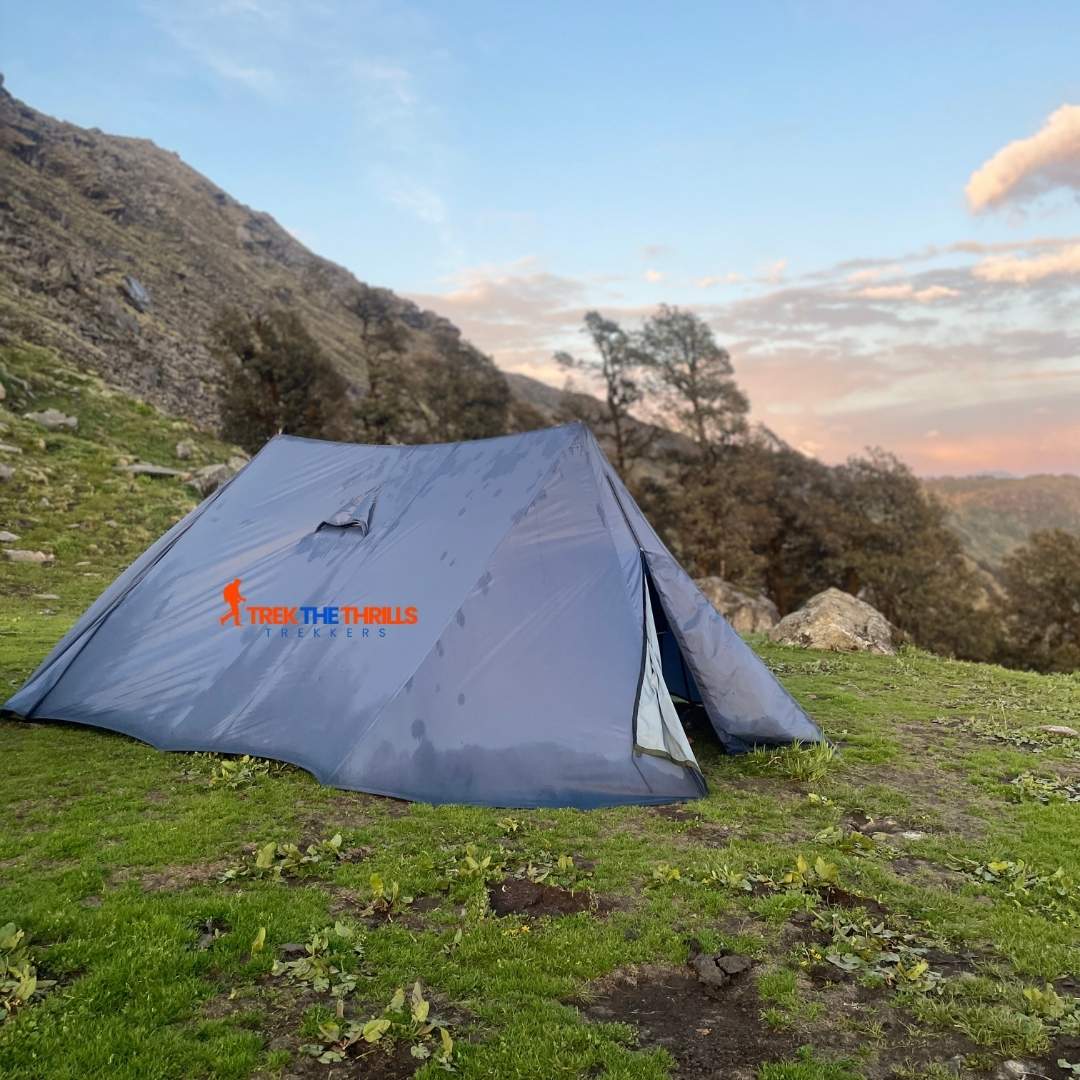
Stay: Accommodation on Day 1 in a cozy guesthouse/hotel at Sankri, followed by comfortable triple-sharing tents with sleeping bags and mats during the trek.
-
Meals: Nutritious vegetarian food – breakfast, lunch, evening tea/snacks, and dinner throughout the trek.
-
Trek Equipment: Micro-spikes and gaiters will be provided when required in snowy conditions.
-
Permits & Fees: All necessary forest entry passes and trek permits included.
-
Guidance: Professional, certified trek leaders and friendly local support staff to assist you.
-
Medical Support: First-aid kits, oxymeters, and oxygen cylinders available at campsites for emergencies.
-
24/7 Customer Support for any assistance.
-
Hygiene & Safety: Regularly sanitized campsites, safe sleeping arrangements, and clean surroundings maintained.
EXCLUSION
-
5% GST (Goods & Services Tax) is extra
-
Any services/items not specifically listed under “Inclusions”
-
Meals during travel to/from the base location
-
Personal expenses like tips, phone calls, or extra snacks
-
Additional accommodation or stay caused by roadblocks, landslides, or heavy snowfall
-
Backpack offloading charges and personal porter/mule costs
-
Emergency evacuation expenses (if required)
Add-Ons
- Pickup & Drop from Dehradun available at ₹1500 per person (round trip)
- Backpack offloading service at ₹1400 per person
Why Kedarkantha Trek Is Worth Doing
Kedarkantha is popular for a simple reason — it gives trekkers a complete Himalayan trekking experience in a relatively short duration.
You get forests, campsites, snow, altitude gain, a proper summit climb and wide mountain views without committing to a very long expedition.
A Real Winter Trekking Experience
During winter, the Kedarkantha trail changes completely. The forest sections can be covered with snow, campsites become colder and the trail towards the summit becomes more demanding.
For many first-time trekkers, this is what makes Kedarkantha memorable. You are not simply walking from one village to another; you are learning how to move and live in a cold mountain environment.
The Kedarkantha Summit
The summit is the biggest highlight of the trek.
The summit day usually begins early because the group needs enough time to climb, spend some time at the top and descend safely.
The final climb is more demanding than the lower forest sections. Depending on the season and recent snowfall, you may encounter soft snow, compact snow or icy patches.
Once you reach the summit, the effort starts making sense. The open summit gives you a much wider view than the forest sections below.
Beautiful Forests and Meadows
One of the best things about Kedarkantha is the change in landscape during the trek.
The route moves from the village and forest surroundings of Sankri into dense pine and oak sections, followed by more open terrain as you gain altitude.
In winter, snow transforms these forests and clearings into a completely different landscape.
A Good Introduction to Himalayan Trekking
Kedarkantha is commonly chosen as a first Himalayan trek because the route is relatively short and the summit is accessible with proper preparation.
However, we don’t recommend treating it as an effortless walk.
Cold weather, altitude, early morning summit starts, snow and continuous ascent can make the trek physically demanding.
The right way to look at Kedarkantha is:
Beginner-friendly with preparation — not beginner-friendly without preparation.
Kedarkantha Trek 2026- Itinerary (5D/4N)
Day 1: Dehradun to Sankri
- Distance: 220 KM
- Travel Time: 8–9 hours
- Pickup Point: Prince Chowk, Dehradun
- Altitude Gain: ~6,400 ft
Your journey starts with a beautiful drive from Dehradun. As you leave the city behind, the road takes you through hill towns like Mussoorie, Purola, and Mori. You’ll be driving alongside the sparkling Tons River, surrounded by tall pine and deodar trees. By evening, you’ll reach Sankri, a small and peaceful village inside the Govind Pashu Vihar Wildlife Sanctuary. After settling into your guesthouse, enjoy a warm dinner and a short briefing with your trek leader.
- At night, don’t forget to look up—the sky here is crystal clear and filled with countless stars.
Day 2: Sankri to Juda Ka Talab
- Trek Distance: 4 km
- Trek Time: 3–4 hours
- Altitude Gain: +2,700 ft
- Total Altitude: 9,100 ft
- Difficulty: Easy–Moderate
Wake up to the soft songs of mountain birds and enjoy a steaming cup of tea while the snowy peaks shine in the distance. The trail today is calm and soothing, winding through pine, maple, and oak forests. In winter, the path often glitters under a layer of fresh snow, making every step feel magical.
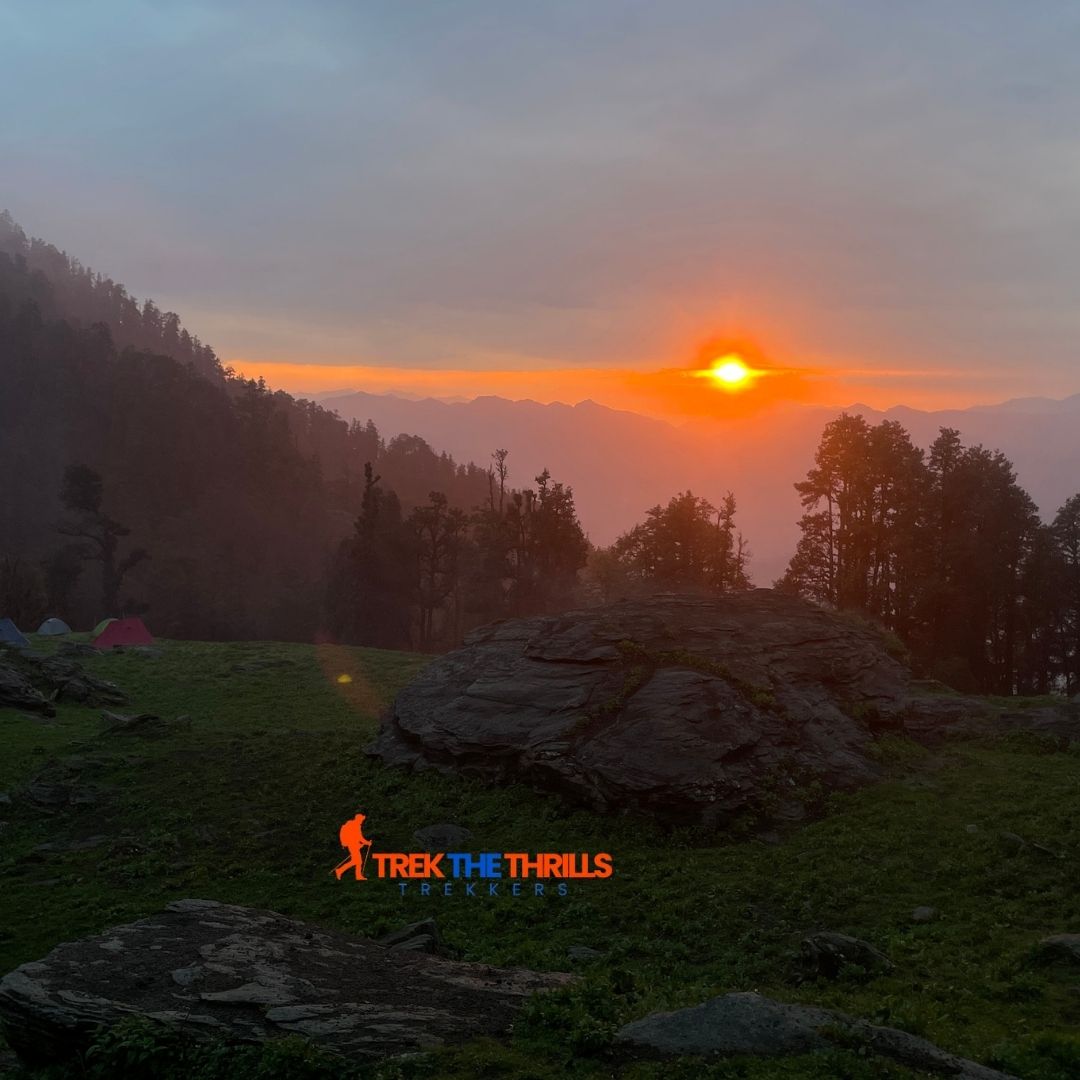
- By afternoon, you’ll reach Juda Ka Talab—a quiet high-altitude lake that freezes in the coldest months. The campsite here is tucked between tall pine trees, giving it a fairytale-like charm.
- As evening falls, gather around a cozy bonfire, share stories with fellow trekkers and guides, and soak in the stillness of the Himalayan night.
Day 3: Juda Ka Talab to Kedarkantha Base Camp
- Trek Distance: 4 km
- Trek Time: 4–5 hours
- Altitude Gain: +2,150 ft
- Total Altitude: 11,250 ft
- Difficulty: Moderate
Today’s trek may be short, but it feels like walking through a dream. The trail winds across snowy meadows and quiet forests, while the mighty Kedarkantha peak slowly reveals itself in the distance. With every step, the views get wider—white ridges, endless stretches of snow, and a calm silence broken only by the crunch of your boots.
- By afternoon, you’ll arrive at Kedarkantha Base Camp, a wide meadow surrounded by breathtaking Himalayan peaks. After a warm meal, take time to explore the slopes, click photos, or simply sit back and let the mountains fill your heart.
- At night, step outside your tent—you’ll find a sky overflowing with stars, and on clear nights, even the Milky Way shining bright above.
Day 4: Base Camp to Kedarkantha Peak and descend to Juda Ka Talab
- Trek Distance: 12km (round trip)
- Trek Time: 9 hrs
- Altitude Gain: +1,250 ft
- Total Altitude: 12,500 ft
- Difficulty: Moderate to Challenging (steep ascent)
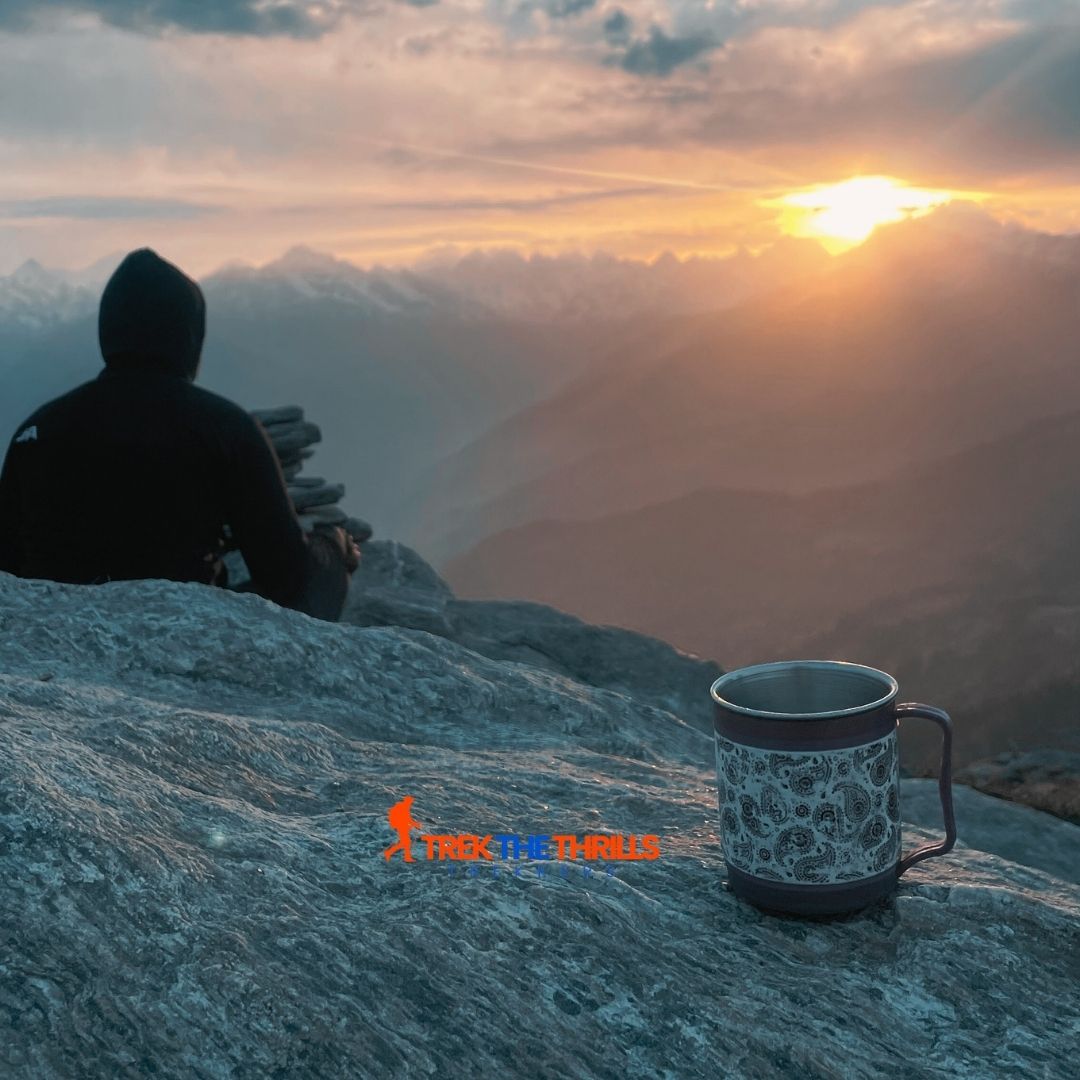
- This is the day you’ve been waiting for the summit push. Before dawn, you’ll step out into the cold, crisp air with your headlamp lighting the snowy trail. The climb is steep in parts, but with every step, the stars above and the glowing horizon remind you why you’re here.
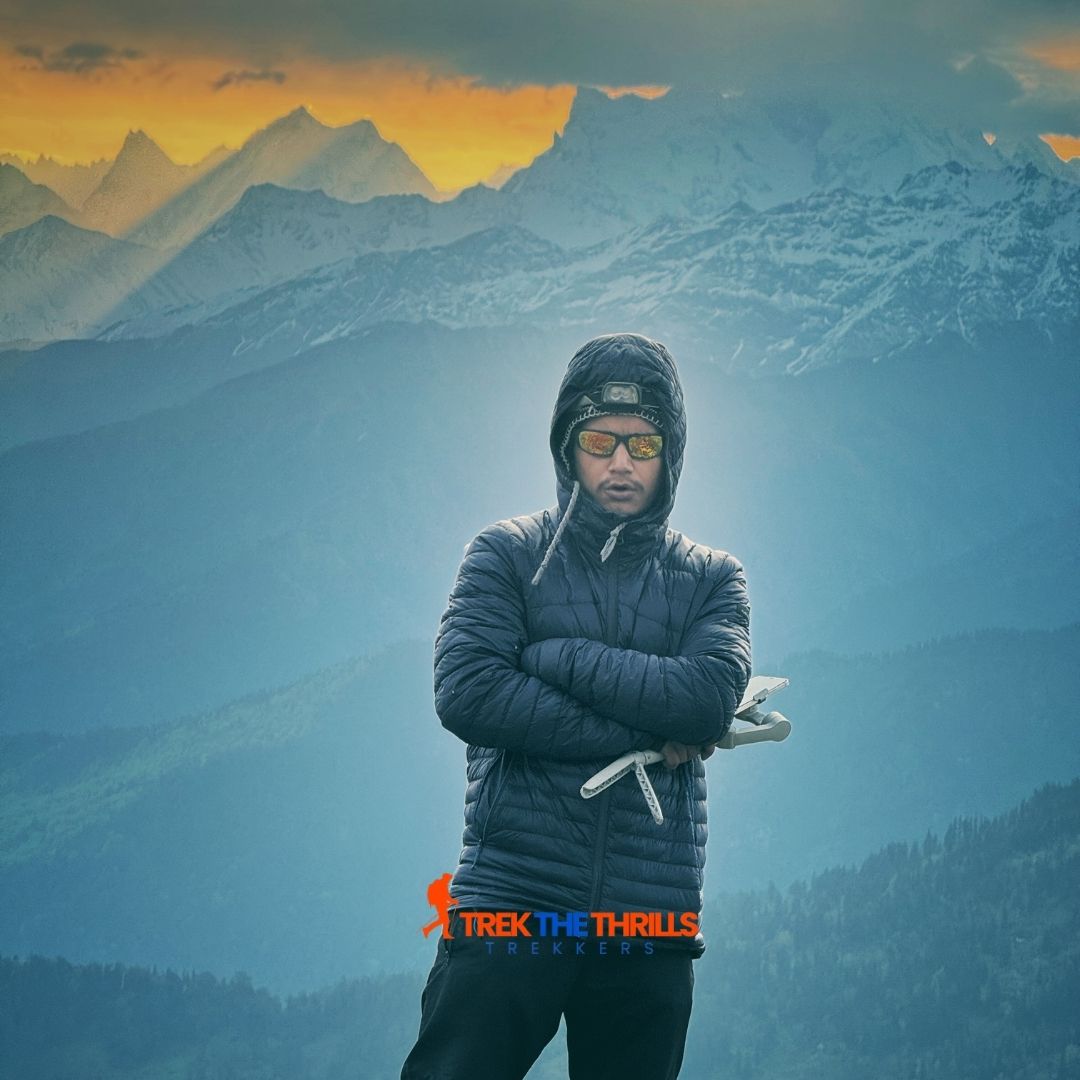
- As the first rays of the sun touch the mountains, you’ll stand at the Kedarkantha summit, 12,500 ft high. The view will take your breath away majestic peaks like Swargarohini, Bandarpoonch, Black Peak (Kalanag), and the Rupin–Supin ranges stretch out before you, with Har Ki Dun valley lying peacefully below.
- After soaking in this unforgettable moment, you’ll descend to base camp for a hot breakfast and later trek down to Juda Ka Talab for the night.
- The evening is for celebration—sharing stories, laughter, and the joy of knowing you’ve just conquered one of India’s finest winter treks.
Day 5: Juda Ka Talab to Sankri → Drive to Dehradun
- Trek Distance: Trek Distance: 4 km
- Drive : 220 km
- Total Time: 3-4 hours trek + drive
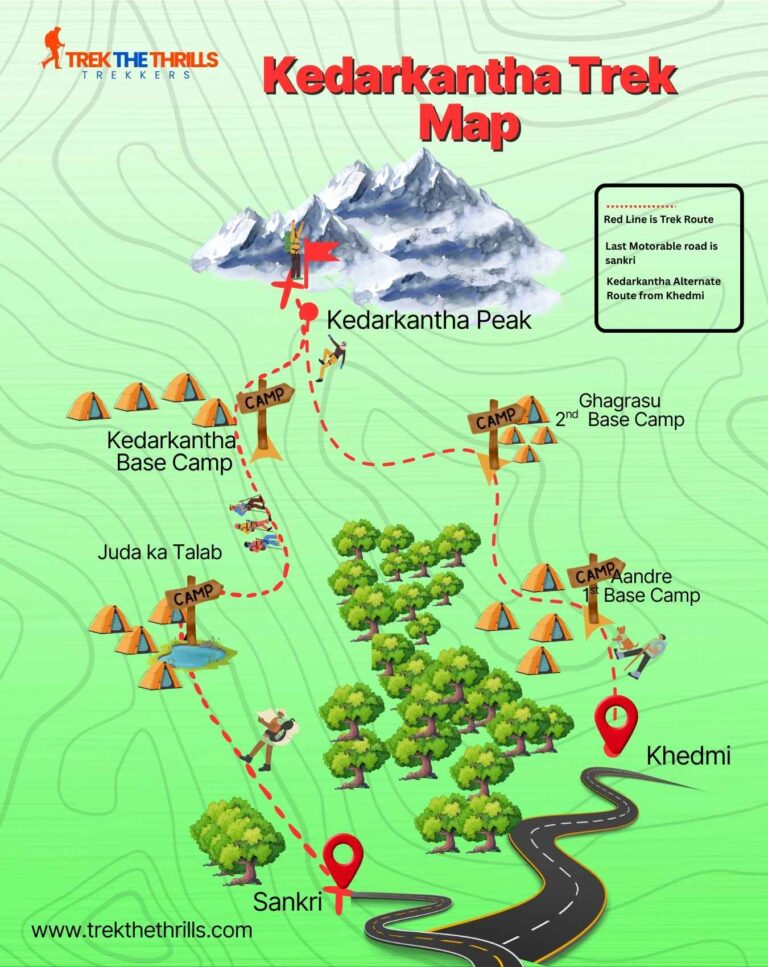
Kedarkantha Trek 2026 - Guided Map
Click Here
Kedarkantha Trek Best Time to Visit
The best time for Kedarkantha depends on what you want from the trek.
If your priority is a classic snow-covered winter experience, the winter months are the main attraction.
If your priority is relatively easier trail conditions and a different Himalayan landscape, conditions outside peak winter can be different.
Kedarkantha in Winter
Winter is the season most people associate with Kedarkantha.
Snow-covered forests, white meadows and a winter summit climb are the main attractions.
However, winter also means lower temperatures, shorter comfortable walking periods and more demanding trail conditions.
The amount of snow is not identical every year. Weather patterns and recent snowfall can change the trail considerably.
Kedarkantha in November
November can be a transition period.
Depending on the year and weather, the lower trail may not have the same amount of snow that trekkers see later in winter.
If your main reason for choosing Kedarkantha is deep snow, check the latest trail conditions before booking.
Kedarkantha in December
December generally brings stronger winter conditions.
As temperatures fall, snow conditions become increasingly important for trekkers.
This is a popular period for people specifically looking for a winter trekking experience.
Kedarkantha in January
January is among the coldest periods of the Kedarkantha season.
The trail can be heavily affected by snow and ice, particularly at higher elevations.
This makes January attractive for experienced winter trekkers and people looking for a proper snow experience, but preparation becomes even more important.
Kedarkantha in February
February continues to offer strong winter conditions, although the exact amount of snow varies from year to year.
The higher sections can remain snowy while conditions at lower elevations may gradually begin changing.
Kedarkantha in March
March can offer a combination of winter and changing spring conditions.
Snow may still remain at higher elevations while lower sections can begin becoming more accessible.
The exact trail condition depends heavily on the season’s snowfall and temperatures.
Is Kedarkantha Possible Without Snow?
Yes, Kedarkantha is not dependent on snow to exist as a trekking route.
However, the experience is very different.
The winter version of Kedarkantha is famous because snow transforms the forests, campsites and summit approach.
If snow is your main priority, don’t simply choose a date based on the calendar. Check the actual conditions closer to your departure.
For a detailed month-by-month guide, read our Best Time to Visit Kedarkantha Trek guide.
Kedarkantha Trek 2026 Essentials
- 🎒Gear & Equipment
- A sturdy rucksack (60–70 L with rain cover)
- Trekking shoes with good
grip (men’s/women’s) - Trekking pole (highly recommended)
- Headlamp/torch with spare batteries
- Poncho or rain jacket
- 🧥 Clothing
- 1 down jacket (for extreme cold)
- 1 fleece or light woollen jacket
- 2 trekking pants (quick dry preferred)
- Thermal wear (top & bottom)
- Warm socks (2–3 pairs) + cotton socks
- Woollen cap & sun cap
- Waterproof/woollen gloves
- Extra warm layers for nights
- Comfortable lowers for camping
- 🍽️ Utensils & Documents
- Lunch box, plate & spoon
- Coffee mug/water bottle (or hydration bladder)
- Government-issued photo ID proof
- 🧴 Personal Care
- Sunglasses (UV protected)
- Sunscreen (SPF 30+) & lip balm
- Moisturiser
- Hand towel
- Toilet paper & wet wipes (unscented)
- Pocket-sized soap/handwash
- Sanitizing toilet spray
- Ziplock bags (for waste segregation)
- Toothbrush & toothpaste
- 🩹 Health & Utilities
- Basic first-aid kit (with prescribed medicines)
- Energy bars & dry snacks
- Power bank
- Sandals/floaters (for campsites)
- Balaclava or scarf for wind protection
How to Reach Base ( Sankri)
- AIR
The nearest airport is Jolly Grant Airport, located on Airport Road, Jauligrant, Dehradun 248140, about 25 km from the city. From the airport, you can hire a prepaid taxi or cab to reach Dehradun city (takes around 45–60 minutes). Since buses to Sankri leave early in the morning (5:30–8:00 am), it’s best to land in Dehradun a day before your trek begins.
- TRAIN
Dehradun Railway Station is your entry point to the Garhwal hills. To catch a bus to Sankri, head to the Grand Hotel, located at 64 Gandhi Road, Shri Laxmi Plaza, Paltan Bazaar, Dehradun – 248001, which is just a 4-minute walk from the station . Buses bound for Sankri typically start between 5:30 am and 8:00 am, so it’s best to arrive in Dehradun the previous evening and head straight to the bus area in the morning to secure a seat.
- ROAD
UTC and private buses to Sankri leave from Mussoorie Bus Stand, Gandhi Road, Dehradun – 248001, which is about a 10-minute walk from Dehradun Railway Station. Daily buses run between 5:30 am and 8:00 am, taking 9–10 hours to reach Sankri. Alternatively, you can hire a shared taxi or private cab directly from the bus stand or railway station if you prefer more comfort and flexibility.
Kedarkantha Trek via Khedmi – An Offbeat Alternative
Most trekkers know Kedarkantha through the traditional Sankri route.
Trek The Thrills also offers an offbeat Kedarkantha experience through Khedmi for trekkers looking for a quieter route and a different trekking experience.
The Khedmi route starts from the Khedmi base village and offers a more offbeat experience compared with the conventional route.
Our Khedmi experience is particularly suited to trekkers who want to move away from the busiest trekking trails and experience a different side of the Kedarkantha region.
The route includes camps around Aandre and Ghagrasu, with the Khedmi trail providing a different approach to the mountain.
If your priority is the classic Kedarkantha experience, the Sankri route is the straightforward choice.
If your priority is an offbeat experience with fewer crowds and a different route character, explore the Khedmi option.
Explore: Kedarkantha Trek via Khedmi →
FAQ's of Kedarkantha Trek 2026
-
1. How challenging is the Kedarkantha Trek?
Overall, it's rated easy to moderate, with well-defined paths and gradual elevation gain. It's beginner-friendly for those with basic fitness.
-
2. Who can attempt this trek? Are kids or elderly allowed?
Yes. Trekkers aged 10 to 60+ can attempt Kedarkantha, provided they are medically fit. A gentle fitness routine before the trek helps.
-
3. What is the total trekking distance and duration?
The total trek covers around 24 km (12 km one-way) and typically spans 4 to 5 days, depending on acclimatization pace.
-
4. When's the best time to trek Kedarkantha?
Ideal seasons are:
- Winter (November - March)for snow covered trails and magical views
- Spring (April–June)for blooming landscapes and moderate weather
-
5. What trekking permits are required?
Permits are mandatory and issued by the Forest Department often arranged through your trekking provider or obtained near checkpoints like Mori and Purola.
-
6. Is hiring a guide necessary?
Yes. A local registered guide is mandatory permits aren’t issued without one. Guided treks also enhance safety and add cultural insight.
-
7. What’s the ATM and mobile connectivity situation?
- ATMs:Last reliable ATMs are in Purola; carry enough cash thereafter.
- Mobile network:Mostly limited to BSNL at base areas. Expect frequent signal dropouts en route.
-
8. Are there medical facilities on the trail?
No carry a basic first-aid kit. Your guide can assist in emergencies, and trekking agencies usually carry emergency supplies.
-
9. What's the risk of altitude sickness?
Though altitude reaches 12,500 ft, staying hydrated, acclimatizing adequately, and trekking slowly help prevent sickness.
-
10. Can I trek Kedarkantha solo or as a private group?
Yes you can opt for private groups . Just ensure you pre-book guide and logistics—especially during peak winter. The Kedarkantha trek is not for solo travelers; you have to take a guide from the base Sankri.
Bonus Tips from Trainee Trekkers:
- Bring a BSNL SIM other networks barely work. Keep your power bank inside your jacket to avoid battery drain in the cold.
- You can leave your larger luggage at Sankri’s base, and continue with just your trek gear.
Kedarkantha Trek Safety & Practical Tips
Don't Ignore the Weather
Mountain weather can change quickly.
Your trek leader may change the day’s plan based on snowfall, visibility, wind, trail conditions or other safety considerations.
Walk at a Steady Pace
One of the most common beginner mistakes is walking too fast during the first part of the trek.
A comfortable, consistent pace is better than repeatedly stopping because you have exhausted yourself.
Keep Yourself Hydrated
Cold weather can reduce your feeling of thirst, but hydration remains important during trekking.
Drink regularly instead of waiting until you feel very thirsty.
Protect Yourself From the Cold
Cold management is not only about carrying a heavy jacket.
Layering allows you to adjust your clothing as your activity level changes.
Keep your gloves, cap and warm layers easily accessible.
Respect the Trail
Do not leave plastic, food wrappers or other waste behind.
Avoid disturbing wildlife and respect local communities and forest regulations.
Kedarkantha Trek Snowfall
Snow conditions generally become more important as winter progresses, especially at higher elevations.
However, snowfall cannot be guaranteed for a particular batch.
Weather changes every year, so avoid operators who promise a specific amount of snowfall months in advance.
When Can You Expect Snow on Kedarkantha?
Mountain weather can change quickly.
Your trek leader may change the day’s plan based on snowfall, visibility, wind, trail conditions or other safety considerations.
Does Fresh Snow Make Kedarkantha More Difficult?
Yes.
Fresh, soft snow can slow down your walking speed because your feet sink into the surface.
Compact snow and ice create a different challenge because traction becomes more important.
This is why the same Kedarkantha distance can feel very different on two different days.
What Happens During Heavy Snowfall?
During heavy snowfall, the trekking team may need to adjust the route, timing or itinerary depending on safety conditions.
The mountain should always take priority over a fixed itinerary.
Kedarkantha Trek Difficulty
Kedarkantha is generally considered an easy-to-moderate Himalayan trek, but the difficulty should not be judged only by the distance.
The summit day is the most physically demanding section because it combines altitude, continuous ascent, cold temperatures and an early start.
Is Kedarkantha Difficult for Beginners?
A reasonably fit beginner can prepare for Kedarkantha.
But being a beginner does not mean you should arrive without preparation.
Start regular walking or cardio training several weeks before the trek.
Why Is Summit Day Harder?
The summit day starts early and includes a sustained climb.
Cold weather can also make the body feel more tired than expected.
The final climb should be done at a controlled pace.
How to Prepare for Kedarkantha
Before the trek, work on:
- brisk walking
- jogging
- cycling
- stair climbing
- leg strength
- basic endurance
- regular outdoor walking
The goal is not to become an athlete.
The goal is to make long uphill walking feel manageable.
Why Trek with Trek The Thrills?
Local Expert Guides
Trek with experienced and certified Himalayan leaders who ensure safety and share deep insights about the mountains, culture, and traditions.
Quality Trekking Gear
We provide high-quality tents, sleeping bags, and equipment to make sure your adventure is safe, reliable, and comfortable.
Safety & Medical Support
Your safety is our top priority. Our team carries first-aid kits, oxygen support, and is trained to handle emergencies at high altitudes.
Affordable Transparent Packages
As the best trekking agency in Uttarakhand, we believe in fair pricing with no hidden costs—so you can focus only on the experience.
Small Group Experience
We keep our batches small to give you personalized attention, better safety, and a richer Himalayan experience.
24/7 Support & Assured Departures
Enjoy hassle-free booking and guaranteed departures. Our support team is always available before, during, and after your trek.
Gallery